
Sega’s recent pivot toward influencer-driven marketing represents a fundamental response to commercial underperformance. After Sonic Racing: CrossWorlds and Shinobi: Art of Vengeance fell short of internal sales targets, the gaming giant announced a comprehensive strategy overhaul emphasizing fandom-building, creator partnerships, and community-driven recommendations over traditional advertising channels. The shift reflects broader recognition that audience engagement, not reach alone, drives conversion in 2026’s fractured media landscape.
The strategic recalibration centers on three operational changes: AI-assisted creator identification to match brand values with authentic voices, unified global publishing approaches that eliminate regional messaging inconsistencies, and systematic investment in community building rather than one-off promotional campaigns. Sega’s partnership with Allied Global Marketing signals commitment to data-driven creator selection, using predictive analytics to forecast campaign performance before budget allocation. This methodology addresses a persistent challenge for business owners across sectors: distinguishing between influencers who generate genuine engagement and those who simply accumulate followers.
For marketing managers in legal, healthcare, franchise, and restaurant industries, Sega’s experience offers transferable lessons. The company’s acknowledgment that disappointing sales stemmed from inadequate audience connection, not product quality, underscores why authentic creator partnerships outperform paid advertising when building trust with skeptical consumers. The following analysis translates Sega’s strategic framework into actionable tactics for businesses seeking measurable improvements in digital presence, backed by transparent performance metrics that justify marketing expenditures.
What Went Wrong: Sega’s Traditional Marketing Failures

Sega’s acknowledgment that two major releases underperformed reveals a critical disconnect between their marketing approach and audience behavior. Both Sonic Racing: CrossWorlds and Shinobi: Art of Vengeance failed to meet internal sales targets despite conventional advertising campaigns that relied on traditional media buys, pre-release trailers, and standard promotional channels. The company’s public admission highlights what many businesses face: advertising methods that worked five years ago no longer drive purchasing decisions.
The disappointing performance highlights the need for stronger engagement with audiences beyond traditional advertising.
The games themselves weren’t necessarily flawed products. Reviews and player feedback suggested solid gameplay mechanics and production values. What failed was the communication strategy. Sega’s marketing treated potential customers as passive recipients of advertising messages rather than active community members who trust peer recommendations over corporate messaging. Standard media placements and promotional announcements generated awareness but failed to convert that awareness into sales.
This gap between visibility and purchase behavior stems from fundamental shifts in how consumers discover and validate buying decisions. Traditional advertising interrupts what people are already doing, while influencer content exists within the spaces where potential customers already spend time. When Sega ran conventional campaigns for these titles, they reached eyeballs but missed the communities where gaming purchase decisions actually happen, Discord servers, Twitch streams, YouTube gaming channels, and creator-driven recommendations.
The financial impact forced strategic reassessment. Sega expectations for CrossWorlds weren’t met, prompting leadership to question their entire publishing approach. The company recognized that continuing to allocate marketing budgets toward channels with declining effectiveness would produce increasingly poor returns, regardless of product quality.
The New Strategy: Influencers, Celebrities, and Community Building

Sega’s overhaul centers on three interconnected pillars: influencer partnerships, celebrity collaborations, and sustained community engagement. This marks a departure from the fragmented regional campaigns that characterized previous launches, where different markets received inconsistent messaging and isolated promotional efforts.
The company now prioritizes fandom-building as a core marketing objective rather than treating it as an ancillary benefit of advertising spend. This means creating ongoing conversations with gaming communities instead of short-term promotional bursts. Sega recognizes that passionate fans generate more persuasive recommendations than scripted advertisements, particularly when those fans share genuine enthusiasm across social platforms where potential customers already spend time.
Influencer selection has become increasingly sophisticated. Rather than choosing creators based solely on follower counts, Sega evaluates audience alignment, engagement patterns, and content authenticity. The company seeks partners whose existing content naturally intersects with gaming culture and whose audiences demonstrate active participation rather than passive consumption. This data-driven approach helps predict which partnerships will drive actual sales rather than simply generating impressions.
Celebrity collaborations complement influencer partnerships by reaching broader audiences while maintaining credibility through careful matching. The strategy combines the targeted reach of niche creators with the wider visibility celebrities provide, creating multiple entry points for different audience segments.
The unified global publishing approach ensures consistent messaging across markets while allowing regional adaptation where cultural context demands it. Instead of treating North America, Europe, and Asia as separate campaigns with different creative directions, Sega coordinates worldwide launches with shared narratives and synchronized influencer activations. This creates momentum as conversations about new releases spread across time zones and platforms, building international anticipation rather than isolated regional buzz.
This integrated strategy represents a fundamental shift in how Sega allocates marketing resources and measures success.
How AI Powers Smarter Influencer Selection
Sega’s pivot toward influencer marketing rests on a sophisticated data infrastructure that moves beyond manual creator selection. Rather than choosing partners based on follower counts or surface-level demographics, the company leverages artificial intelligence to analyze creator content, audience engagement patterns, and brand alignment signals across multiple platforms simultaneously.
The AI-driven approach examines historical campaign performance data to identify which creator characteristics correlate with actual conversions. This includes analyzing audience sentiment in comments, evaluating how followers interact with sponsored versus organic content, and detecting whether a creator’s community exhibits genuine interest in gaming content or simply engages superficially. For Sega, this means identifying creators whose audiences demonstrate purchasing behaviors rather than passive viewing habits.
Predictive modeling allows Sega to forecast campaign outcomes before committing resources. By feeding the AI system with variables including creator niche alignment, historical sponsored post performance, audience demographics, and engagement timing patterns, the company can estimate reach, conversion probability, and expected return on investment. This data-driven methodology integrates with broader marketing analytics frameworks, enabling teams to compare influencer campaigns against other channels using consistent metrics.
The technology also monitors brand safety by analyzing creator content history for controversial topics, tone inconsistencies, or audience segments that conflict with Sega’s brand values. This automated vetting process identifies potential partnership risks early, protecting the company from associations that could damage reputation or dilute messaging effectiveness among target demographics.
What This Shift Means for Your Business
When Traditional Advertising No Longer Delivers ROI
Sega’s underperforming launches reveal a pattern you can check against your own campaigns. When traditional advertising fails to move the needle, the data tells a clear story before revenue does.
Track these indicators: declining click-through rates on paid ads, rising cost-per-acquisition that outpaces customer lifetime value, and stagnant or shrinking engagement on brand-owned channels. If your audience scrolls past your ads or ignores your posts while actively seeking recommendations from trusted voices in your sector, you’re facing the same challenge Sega acknowledged.
Compare your conversion rates from paid advertising against referrals and organic discovery. When referrals consistently outperform paid placements, your audience has shifted how they make decisions. Law firms see this when prospective clients arrive through attorney review sites rather than Google Ads. Healthcare practices notice it when patient acquisition comes from community reputation instead of billboard campaigns.
The warning isn’t that traditional advertising never works, it’s that relying exclusively on it ignores where your audience actually pays attention. If your analytics show high spend with diminishing returns, the channel itself may no longer align with how your target market discovers and evaluates options.
Building Fandom in Professional Services and Local Businesses
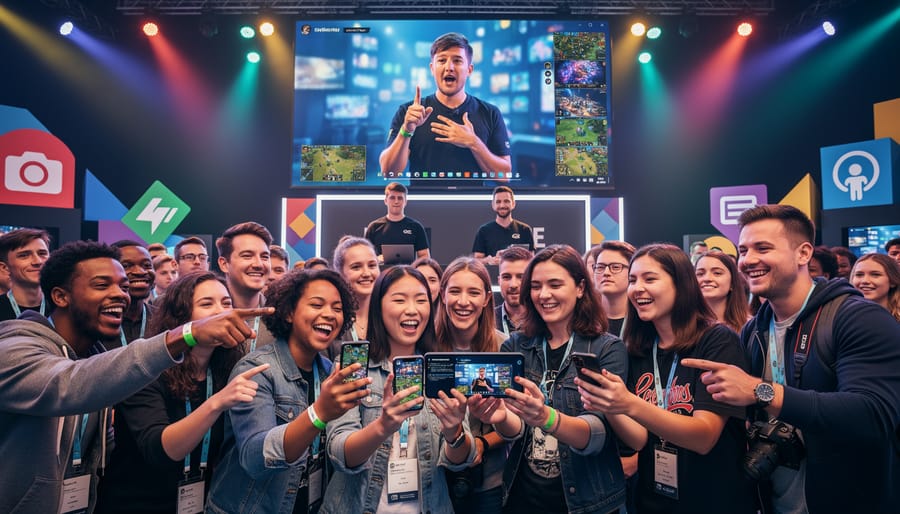
Fandom-building isn’t reserved for gaming companies. Professional services and local businesses can apply the same principles Sega discovered, creating communities that generate genuine referrals and sustained engagement.
Law firms build fandom through client education programs that extend beyond billable hours. Host quarterly legal updates addressing common concerns in your practice area, invite past clients to exclusive workshops, and create online forums where clients discuss non-confidential experiences. These touchpoints transform one-time clients into long-term advocates who recommend your services within their networks.
Healthcare practices use similar approaches to engage patients beyond appointments. Patient education series, wellness challenges that encourage participation, and alumni groups for specific treatments create belonging around your practice. A dental office that runs quarterly oral health webinars or a physical therapy clinic hosting monthly mobility workshops builds community that generates word-of-mouth referrals.
Franchise locations succeed by empowering customers to become brand ambassadors. Loyalty programs that reward social sharing, customer spotlight features on local channels, and invitation-only preview events for new menu items or services create insider status. A restaurant franchise might feature regular customers in social content or create a tasting panel that influences menu decisions.
The shift requires thinking beyond transactions. Track which community initiatives generate referrals, measure participation rates in your programs, and identify which advocates bring the highest lifetime value. Like Sega learned, traditional advertising reaches audiences, but community-building converts them into advocates who market for you.
Implementing Data-Driven Influencer Partnerships
Implementing a data-driven influencer partnership framework requires systematic planning and rigorous measurement from day one. Start by defining specific objectives tied to business outcomes, not audience size. Rather than seeking creators with the largest follower counts, identify partners whose audience demographics match your ideal customer profile and whose engagement rates demonstrate genuine community connection.
Establish measurable KPIs before launching any campaign. For legal and healthcare practices, track consultation requests generated through unique landing pages or promo codes. Franchise and restaurant businesses should monitor reservation conversions, location-specific traffic increases, and repeat customer rates attributed to influencer touchpoints. Set baseline metrics for comparison and determine acceptable customer acquisition costs within your existing marketing budget parameters.
Vet potential partners through quantitative analysis. Examine historical engagement patterns, audience authenticity through comment quality analysis, and content consistency over time. Review disclosure practices to ensure compliance with FTC guidelines, transparent labeling with clear hashtags like #Ad demonstrates professionalism that protects both parties. Request media kits with performance data from previous partnerships, and verify claimed results wherever possible.
Structure partnership agreements with transparent reporting requirements. Specify deliverables, content approval processes, posting schedules, and required performance metrics. Include provisions for real-time access to campaign analytics through platform-native tools or third-party tracking systems. Define reporting cadence, weekly during active campaigns, with comprehensive post-campaign analysis within 30 days.
Track performance across the customer journey, not just initial exposure. Monitor click-through rates, time spent on landing pages, form completions, phone calls, and ultimately conversions to paying customers. Use UTM parameters for every shared link and unique phone numbers for campaigns where direct calls matter. Compare cost per acquisition against your other marketing channels to determine genuine ROI and inform future investment decisions.
Document learnings systematically. Maintain records of what worked, what underperformed, and why certain partnerships exceeded expectations while others fell short. This data becomes your roadmap for refining partner selection criteria and optimizing campaign structures over time.
Measuring Success: Beyond Follower Counts
Follower counts and impressions look impressive in reports, but they rarely translate to business outcomes. Sega’s marketing overhaul underscores a fundamental truth: meaningful metrics measure influence on purchasing decisions, not just visibility. For businesses in legal, healthcare, franchise, and restaurant sectors, this distinction determines whether influencer partnerships generate revenue or simply consume budget.
Engagement rate provides the first genuine signal of campaign effectiveness. Calculate it by dividing total interactions (likes, comments, shares, saves) by reach, not follower count. A healthcare practice partnering with a local wellness influencer should track whether audiences ask questions, save content for later reference, or share posts with specific individuals. These behaviors indicate genuine interest rather than passive scrolling. However, you must avoid fake engagement that inflates these numbers without delivering real audience connection.
| Vanity Metric | Actionable Alternative | Why It Matters |
|---|---|---|
| Total followers | Engagement rate on campaign posts | Shows actual audience interest, not inactive accounts |
| Post impressions | Click-through rate to your website | Measures intent to learn more or take action |
| Likes and hearts | Conversion rate from tracked links | Connects activity directly to business outcomes |
| Brand mentions | Customer acquisition cost per campaign | Determines profitability of influencer investment |
Conversion tracking requires attribution systems that connect influencer touchpoints to actual client acquisitions. Use unique tracking URLs, dedicated phone numbers, or campaign-specific landing pages for each partnership. A franchise location partnering with food creators should track not just website visits but reservation completions, coupon redemptions, or first-time orders attributed to specific content pieces.
Customer lifetime value determines whether acquired clients justify the investment. A law firm may spend more to acquire an estate planning client than a personal injury lead because the average case value and referral potential differ substantially. Calculate the total revenue generated from clients acquired through influencer campaigns over 12 to 24 months, then compare against the campaign spend plus internal resource costs. This approach reveals whether partnerships deliver sustainable growth or temporary spikes that fade once content stops running.
Sega’s shift from traditional advertising to influencer-driven community building represents more than a gaming industry pivot. It demonstrates a fundamental change in how modern audiences discover, evaluate, and trust brands across every sector. When established companies with decades of brand recognition openly acknowledge that conventional marketing no longer delivers results, that signal matters for businesses of all sizes.
The lessons here are clear: audiences increasingly rely on trusted voices within their communities rather than paid advertising. Data-driven selection of the right partners, transparent measurement of actual outcomes, and genuine relationship-building with your target market now outweigh broad-reach campaigns with unclear ROI.
For legal practices, healthcare providers, franchises, and restaurants, the question isn’t whether to abandon traditional channels entirely, but whether your current marketing mix accurately reflects where your prospective clients and customers actually seek recommendations. Evaluate your approach with the same rigor Sega applied after acknowledging underperformance. Track what drives real conversions, not just impressions. Invest in building communities around your brand rather than simply broadcasting messages at potential customers.
The businesses that thrive will be those willing to adapt their strategies based on measurable results rather than marketing tradition.